
Tattoo Studios Sydney: What Sets the Best Apart
Sydney has everything from small private rooms to large walk in studios, so it helps to know what to look for before booking. The points below are the clearest signals that a studio takes its craft seriously.
What should clients look for first when comparing tattoo studios in Sydney?
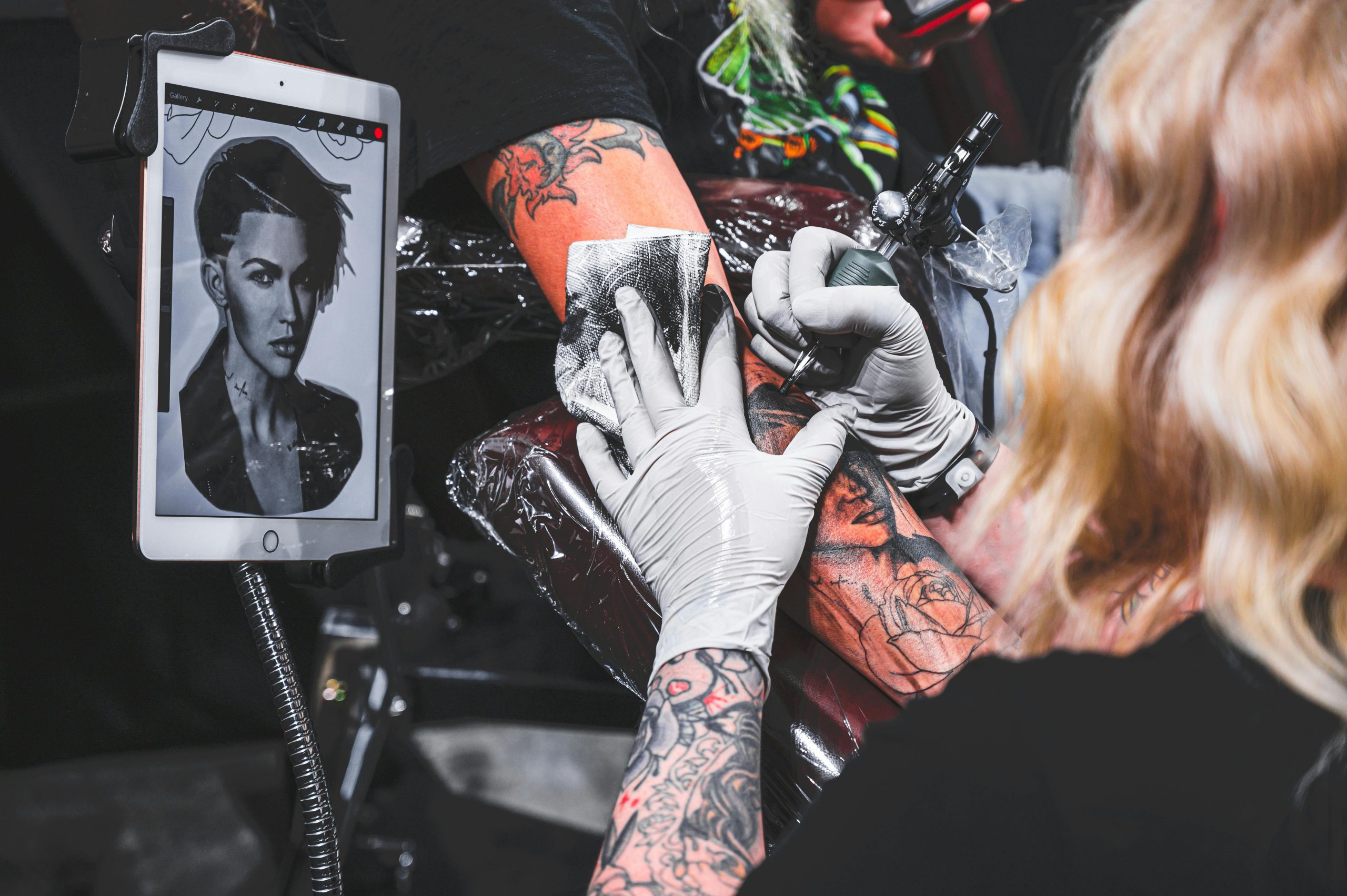
When comparing the best tattoo studios Sydney has to offer, they should start with cleanliness, licensing, and professionalism, because those basics protect health and reduce the risk of a bad outcome. Even the best tattoo studios Sydney promote impressive portfolios, but that means little if the setup is not safe and well managed.
Clients can usually tell quickly when visiting the best tattoo studios Sydney. Clear policies, organised stations, and calm staff are strong signs. Vague answers, rushed consultations, or messy workspaces are not.
How do the best studios prove they take hygiene seriously?
They show it in their process, not their marketing. The strongest studios use single use needles, disposable barriers, medical grade disinfectants, and correct sharps disposal, and they do it consistently.
They also explain aftercare clearly and provide written guidance. If a studio avoids hygiene questions or gets defensive, that is a red flag. A reputable team expects clients to ask.
What does a high quality tattoo portfolio actually look like?
It looks consistent across multiple pieces, not just one or two viral posts. The best portfolios show clean lines, smooth shading, solid saturation, and healed examples that still look sharp weeks or months later.
They also show range within a specific specialty. For example, a fine line artist should show healed fine line work, not only fresh tattoos under perfect lighting.
Why does style specialisation matter so much in Sydney?
Because Sydney’s top artists often specialise, and specialisation usually leads to better results. A studio that matches clients with the right artist tends to produce cleaner work than a studio that says they can do every style equally well.
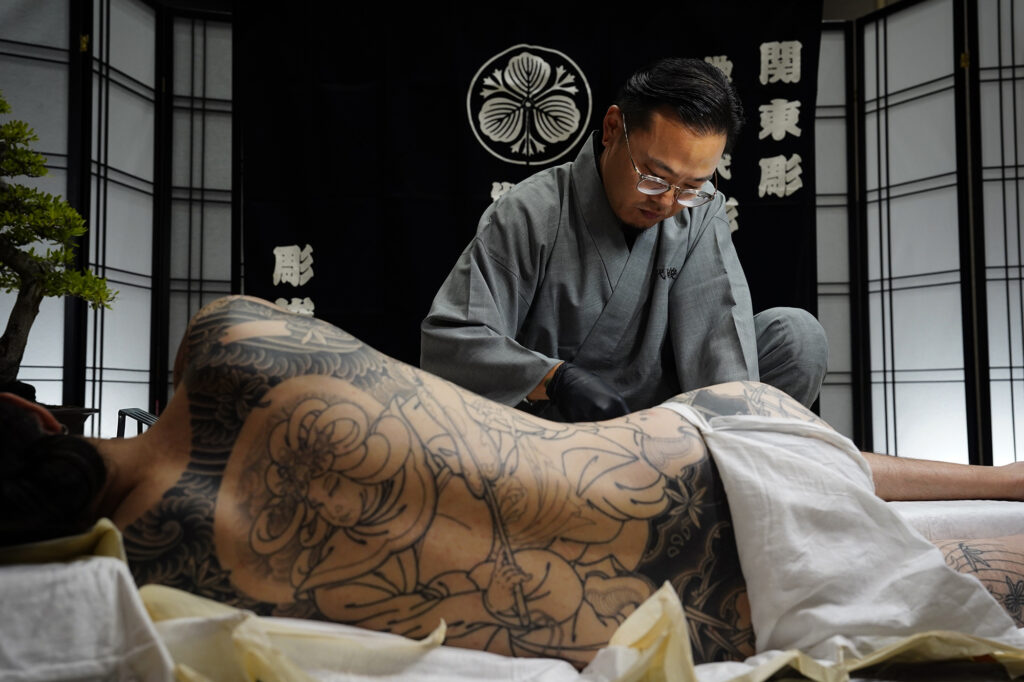
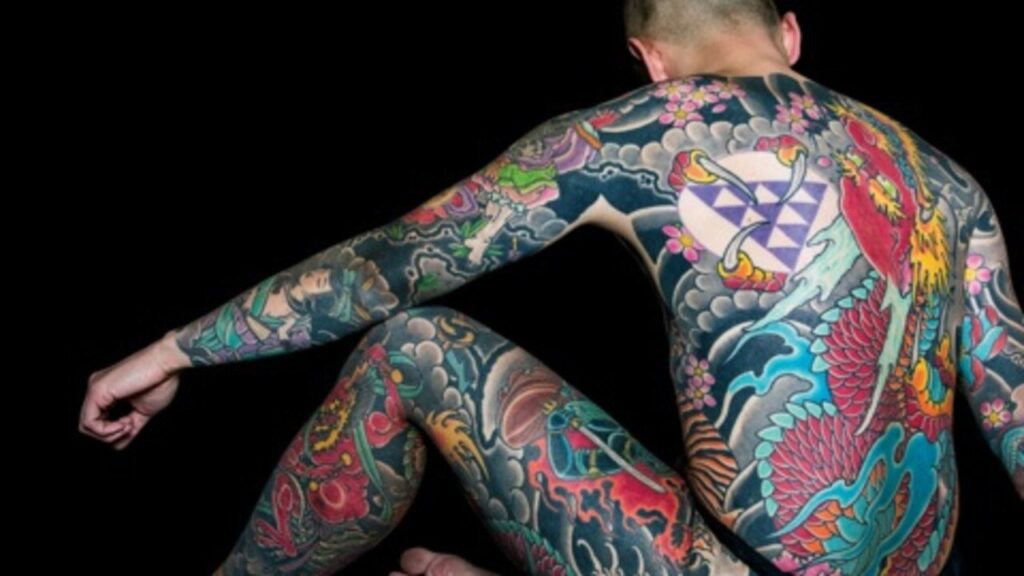
Clients should look for evidence. Traditional, realism, Japanese, blackwork, fineline, and illustrative all require different technical choices. The best studios are honest about what fits and what does not.
How do great studios handle consultations and design planning?
They ask specific questions and give specific answers. The best studios clarify placement, size, reference images, skin tone considerations, pain expectations, and how the tattoo may age.
They also guide the design, rather than simply copying. If a client brings an idea, strong artists refine it so it fits the body and reads well from a distance. They usually provide clear next steps on booking, deposits, and revision limits.
What role does communication play before and during the appointment?
It reduces mistakes. Great studios confirm details in writing, explain the session plan, and check in during the tattoo without making the client feel awkward.
They also set expectations about time and cost. If staff are vague about pricing, refuse to discuss placement options, or pressure clients into fast decisions, that studio is not operating at a high standard.
How can clients tell if pricing is fair rather than cheap?
Fair pricing reflects time, skill, and safety. The best studios in Sydney usually charge either an hourly rate or a clear minimum, and they explain what influences cost, like detail level, placement difficulty, and colour work.
Cheap pricing often shows up later as blowouts, patchy saturation, or poor healing support. Great studios do not compete on being the lowest price. They compete on delivering work clients are proud to wear.
What should clients expect from aftercare support?
They should expect guidance that is simple, consistent, and tailored to the tattoo type. The best studios explain washing, moisturising, sun protection, and what is normal versus what needs medical attention.
They also make touch up policies clear. Some studios offer free touch ups within a set window, while others price them separately. Either can be fine, but the best studios communicate it upfront.
How do the best studios treat client comfort and consent?
They prioritise it. The best studios check placement in a mirror, confirm stencil position, and give clients time to decide before the first line is made.
They also respect boundaries around breaks, pain tolerance, and privacy. For more sensitive placements, reputable studios explain options like screens, positioning, and what to expect. A client should never feel pressured to continue if something feels wrong.
What are the biggest red flags when choosing a tattoo studio in Sydney?
They include poor hygiene transparency, inconsistent portfolios, and pressure tactics. Another major red flag is a studio that cannot show healed work or avoids discussing artist experience with a specific style.
Unrealistic promises are a warning too. Great studios do not guarantee impossible outcomes, such as ultra fine detail at very small sizes that will not age well. They explain trade offs instead.
How can clients make a confident final decision?
They can shortlist studios, compare portfolios for the exact style they want, and book a consultation to test communication. The best studio will feel clear, professional, and calm from the first interaction.
If the artist’s healed work looks strong, the studio’s hygiene process is obvious, and the consultation feels collaborative, that studio is likely among the best. In a city with many options, the best ones stand apart by being consistently excellent, not just popular.
FAQs (Frequently Asked Questions)
What are the key factors to consider when choosing a tattoo studio in Sydney?
When selecting a tattoo studio in Sydney, clients should prioritize cleanliness, proper licensing, professionalism, and strong hygiene practices. These basics protect health and reduce risks. Additionally, look for studios with consistent portfolios, clear communication, and artists who specialise in the style you want for the best results. Visit https://stylwed.com/why-clients-trust-a-tattoo-artist-bondi-beach-for-custom-work/ to get more about : Why Clients Trust a Tattoo Artist Bondi Beach for Custom Work.
How can I verify that a Sydney tattoo studio maintains high hygiene standards?
Top Sydney studios demonstrate serious hygiene through their processes, including using single-use needles, disposable barriers, medical-grade disinfectants, and correct sharps disposal consistently. They also provide clear aftercare instructions and welcome questions about hygiene. Avoid studios that evade these topics or seem defensive.
Why is artist specialisation important when choosing a tattoo studio in Sydney?
Sydney’s leading tattoo artists often specialise in specific styles like traditional, realism, Japanese, blackwork, fineline, or illustrative. Specialisation ensures better technical execution and cleaner results. Studios that match clients with the right specialist artist typically produce higher quality tattoos than those claiming to do all styles equally well.
What should I expect during a consultation at a professional Sydney tattoo studio?
A great consultation involves detailed discussions about placement, size, reference images, skin tone considerations, pain expectations, and how the tattoo may age. Experienced artists guide design refinement to fit your body and ensure readability from a distance. They also clarify booking procedures, deposits, and revision policies upfront.
How does clear communication benefit clients before and during their tattoo appointment?
Clear communication minimizes mistakes by confirming details in writing, explaining the session plan thoroughly, and checking in during the tattoo without causing discomfort. It sets realistic expectations regarding time and cost. Vague pricing or pressure to decide quickly are warning signs of subpar studios.
What are common red flags to avoid when choosing a tattoo studio in Sydney?
Beware of studios with poor hygiene transparency, inconsistent or limited portfolios without healed work examples, pressure tactics during consultations, unrealistic promises about tattoo outcomes (like ultra-fine detail on small areas that won’t age well), and avoidance of discussing artist experience or style suitability. These indicate low standards.